We are delighted to announce the tremendous success of our annual charity event, the Hope for Tomorrow Gala, hosted at Riverside Park Pavilion. The event drew a fantastic crowd, demonstrating the strong support and generosity of our community.
World Water Day is 22 March, a global reminder that clean, running water is not a privilege – it is a human right. Yet, here in the United States, more than 2 million Americans live without running water and proper sanitation at home. This crisis remains hidden, largely absent from national discussions, but for those of us who have experienced life without running water, it is a daily reality that shapes lives, communities, and future opportunities.
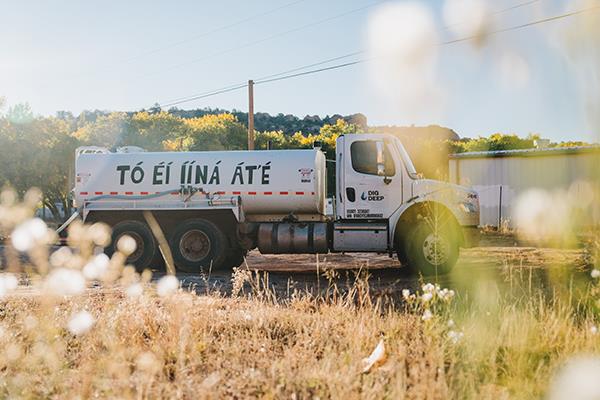
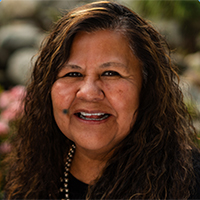
Cindy: Growing up on the Navajo Nation, I lived without running water at home between the ages of 12 and 14. My family had to go to Bluewater Lake to get barrels of water, use rubber hoses and buckets, and heat water on the wood stove because we didn’t have a water heater. My aunt, like so many elders in our community, waited decades to get running water. She was 72 years old when she got running water at home. And still, today, thousands of Navajo families are waiting, hauling five-gallon jugs and driving 35 miles one way to fetch water for their basic needs.
Kathryn: For me, when I was growing up, I didn’t realize it wasn’t normal to live without running water at home until I saw that other kids took those sorts of things for granted. When I began working, I met Diana, a mother whose children were bullied at school because they couldn’t shower regularly. She spoke up at a water district meeting, but was dismissed by a board member who told her to “get educated.” So, she did. She learned how to get water for her entire community. Stories like hers show us that fighting to ensure every family is granted their human right to water is not just about infrastructure—it is about dignity, opportunity, and breaking cycles of poverty.
People assume that if someone in America lacks water, it’s because they chose to live somewhere remote. But that’s not true. Many families we serve live in communities just minutes away from cities, or a streetlight over from communities with full water access. They use porta potties and rig car batteries to power water pumps. They are resourceful, and invest countless hours into hauling and storing water—but this is time they could be spending with their children, working, playing, or simply resting.
On the Navajo Nation, over 30% of households still do not have running water or a flush toilet. In Texas, colonias communities have waited decades for promised infrastructure that never came. But this crisis is not limited to these areas. From rural Appalachia to the San Joaquin Valley in California, millions of Americans are living without safe water, often in communities of color and low-income areas where systemic neglect has made them invisible.
The good news is that we can solve this crisis. At DigDeep, we have connected thousands of families to clean, running water through community-driven projects. And we do it differently: by listening to the people most affected, ensuring they are part of the solution-making process. We don’t make promises we can’t keep. When we say we’re going to do something, we do it.
This World Water Day, we invite you to be part of the solution. Because in the wealthiest country in the world, no one should have to live without running water.
Water is life. Water is dignity. Water is a promise we must keep.
Cindy Howe is the director of DigDeep’s Navajo Project, and Kathryn Lucero, is director of DigDeep’s Colonias Water Project
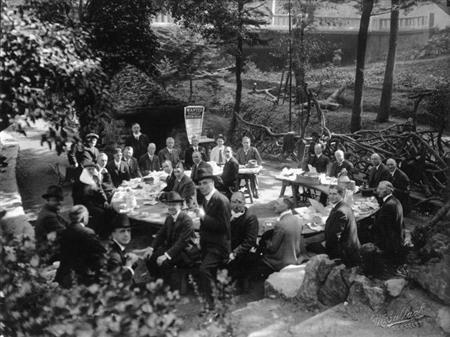
Women are active participants in Rotary, serving their communities in increasing numbers and serving in leadership positions in Rotary. The 1989 Council on Legislation vote to admit women into Rotary clubs worldwide remains a watershed moment in the history of Rotary.
“My fellow delegates, I would like to remind you that the world of 1989 is very different to the world of 1905. I sincerely believe that Rotary has to adapt itself to a changing world,” said Frank J. Devlyn, who would go on to become RI president in 2000-01.
The vote followed the decades-long efforts of men and women from all over the Rotary world to allow the admission of women into Rotary clubs, and several close votes at previous Council meetings.
In early 1919, Rotarian Roger Pinneo of Seattle, Washington, USA, traveled to the Philippines to try to organize a Rotary club in Manila. Leon J. Lambert, a Manila business leader helped Pinneo establish the club. Several months later, on 1 June 1919, the Rotary Club of Manila was chartered and became the first Rotary club in Asia.
The club would be the only one in the country for more than 12 years. Eventually, Manila club members organized Rotary clubs in the Philippine cities of Cebu (1932) and Iloilo (1933). Iloilo club members then started a club in Bacolod (1937), and Rotary continued to expand across the country.
Throughout India and around the world, Rotary clubs are celebrating a major milestone: India has gone three years without a new case of polio. The last reported case was a two-year-old girl in West Bengal on 13 January 2011. To mark this historic triumph, Rotary clubs illuminated landmarks and iconic structures throughout the country with four simple but powerful words, "India is polio free."
What is it like taking a large team to Africa? It has probably been one of the most rewarding experiences in my life. In mid February, I began leading Rotary members from all over the East Coast of the United States through Ghana. I’ve tried to give the team a warm Ghanaian welcome like I’ve received on my earlier trips. A large trip is a real blessing because each person sees Ghana and our work in a different way.
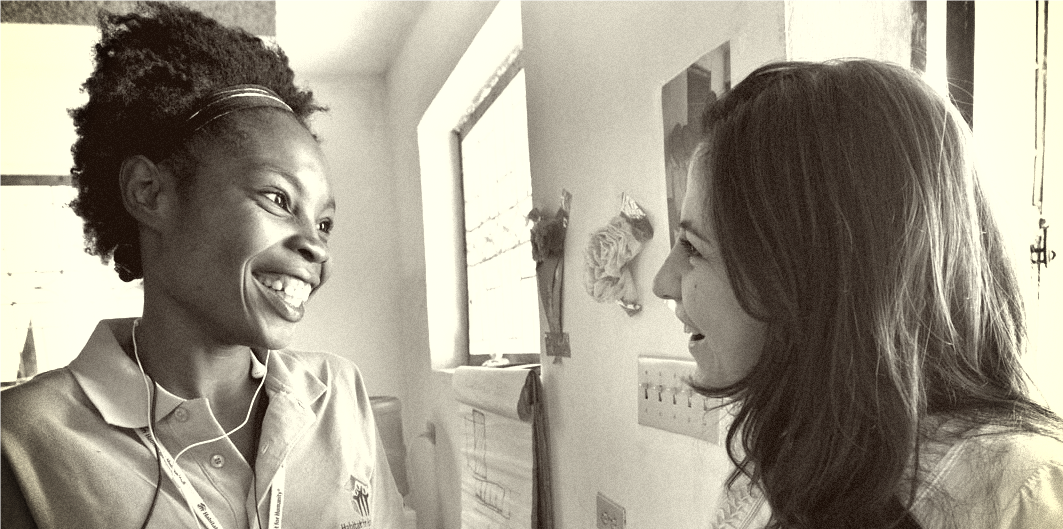
 Kathryn: For me, when I was growing up, I didn’t realize it wasn’t normal to live without running water at home until I saw that other kids took those sorts of things for granted. When I began working, I met Diana, a mother whose children were bullied at school because they couldn’t shower regularly. She spoke up at a water district meeting, but was dismissed by a board member who told her to “get educated.” So, she did. She learned how to get water for her entire community. Stories like hers show us that fighting to ensure every family is granted their human right to water is not just about infrastructure—it is about dignity, opportunity, and breaking cycles of poverty.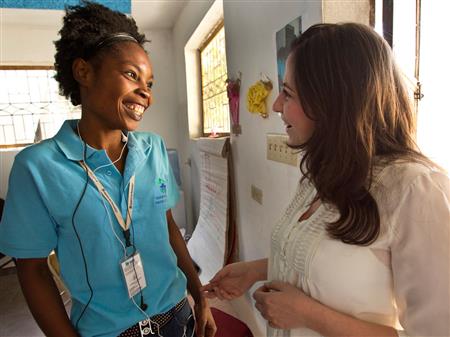
 Throughout India and around the world, Rotary clubs are celebrating a major milestone: India has gone three years without a new case of polio. The last reported case was a two-year-old girl in West Bengal on 13 January 2011. To mark this historic triumph, Rotary clubs illuminated landmarks and iconic structures throughout the country with four simple but powerful words, "India is polio free."
 What is it like taking a large team to Africa? It has probably been one of the most rewarding experiences in my life. In mid February, I began leading Rotary members from all over the East Coast of the United States through Ghana. I’ve tried to give the team a warm Ghanaian welcome like I’ve received on my earlier trips. A large trip is a real blessing because each person sees Ghana and our work in a different way.